
Meet the Teas…
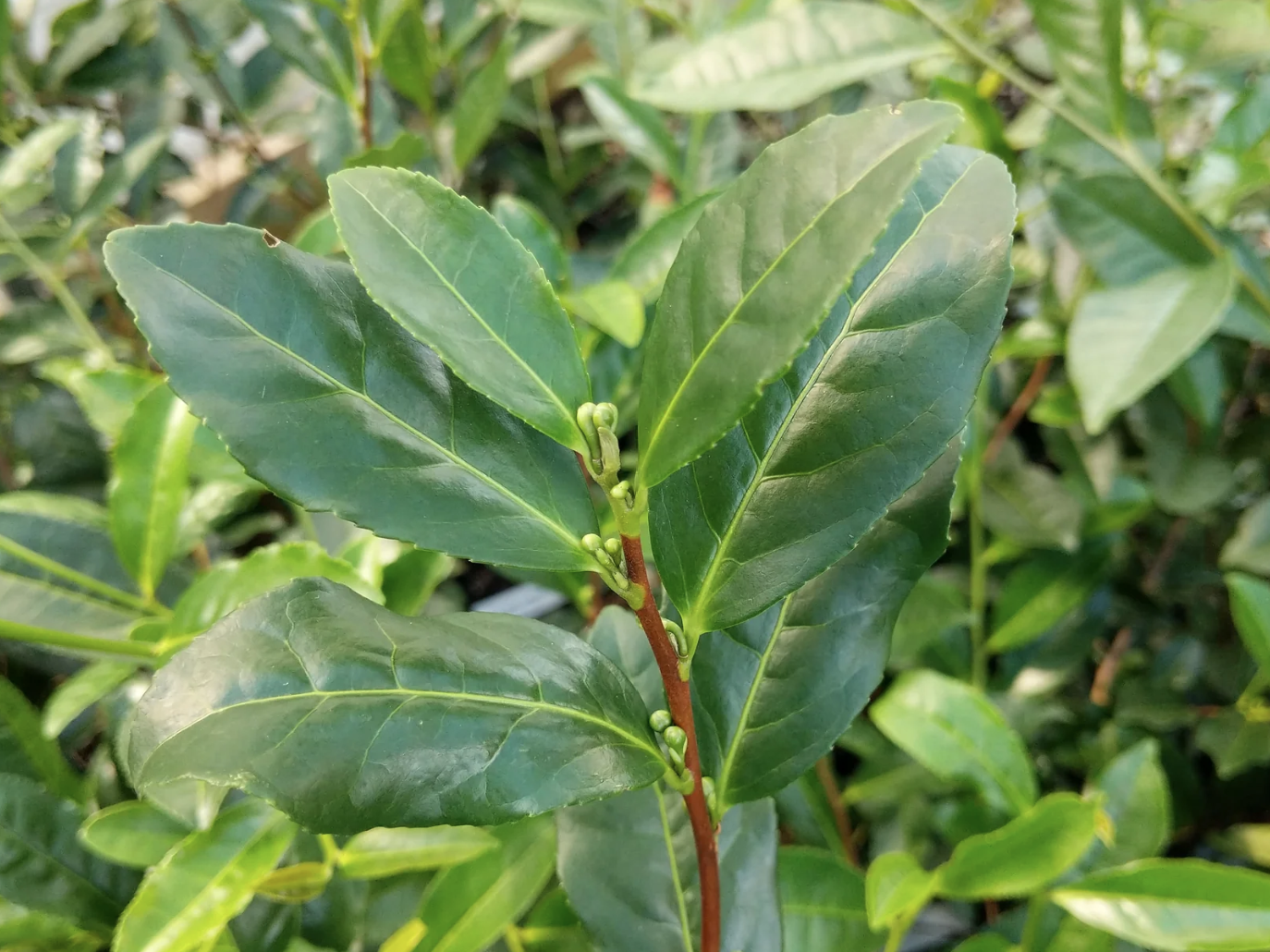
“Korea”
The Korea varietal is valued for its cold tolerance and reliable growth in cooler climates, making it well suited for regions like East Tennessee. It develops into a dense, upright evergreen shrub with medium-sized glossy leaves and strong branching over time. Mature plants commonly reach 5–8 feet tall if left unpruned. Korea plants grow best in acidic, well-draining soil with regular moisture and partial to full sun.
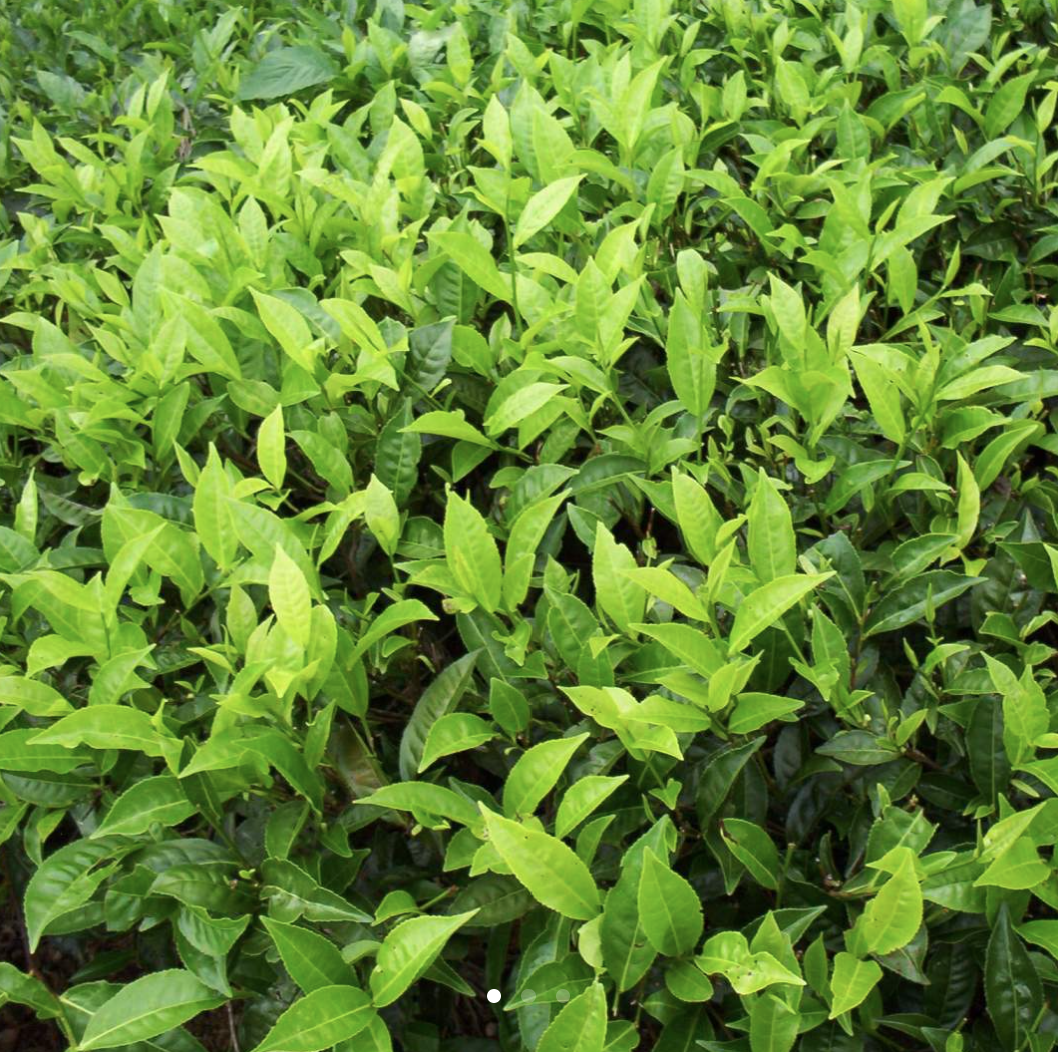
“Sochi”
Originally developed near the Black Sea region of Russia, the Sochi varietal is known for exceptional cold hardiness and vigorous growth. It typically produces larger leaves and a broader, bushier shape than many traditional tea plants. Fully mature plants can reach 6–10 feet tall under ideal conditions. Sochi tea plants prefer acidic soil, consistent watering, and mulch to help protect shallow roots and maintain moisture.
“Small Leaf”
Small Leaf tea plants are compact, dense-growing shrubs prized for their smaller leaves and classic tea plant form. Compared to Korea and Sochi varieties, they tend to stay tighter and more compact, usually reaching 4–6 feet tall when mature. Their naturally branching habit makes them ideal for containers, small spaces, and frequent harvesting. Small Leaf varieties grow best in acidic, nutrient-rich soil with even moisture and good drainage.
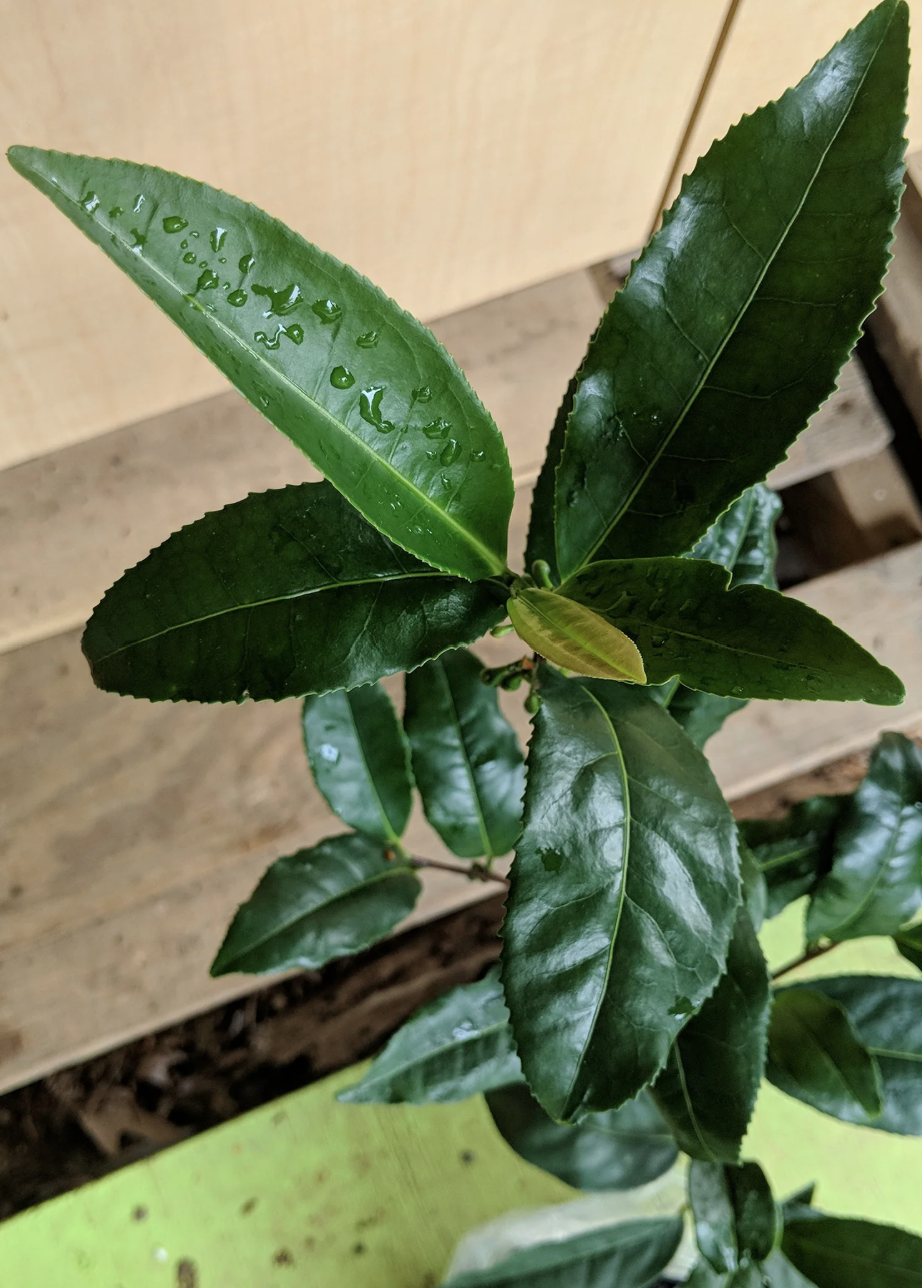
Camellia Sinensis
Camellia sinensis, commonly known as the tea plant, is an evergreen shrub grown for the leaves used to make green, black, oolong, and white teas. Tea plants are attractive landscape shrubs with glossy dark green leaves, fragrant white flowers in the fall, and a naturally dense growth habit.
Tea plants grow best in:
Acidic, well-draining soil (similar to blueberries or azaleas)
Partial sun to full sun
Consistent moisture without waterlogged roots
Mild to moderate climates with protection from harsh winter winds